How to Choose the Right Used Semi-Truck for Your Freight Type
November 11th, 2026
By Arrow Truck Marketing
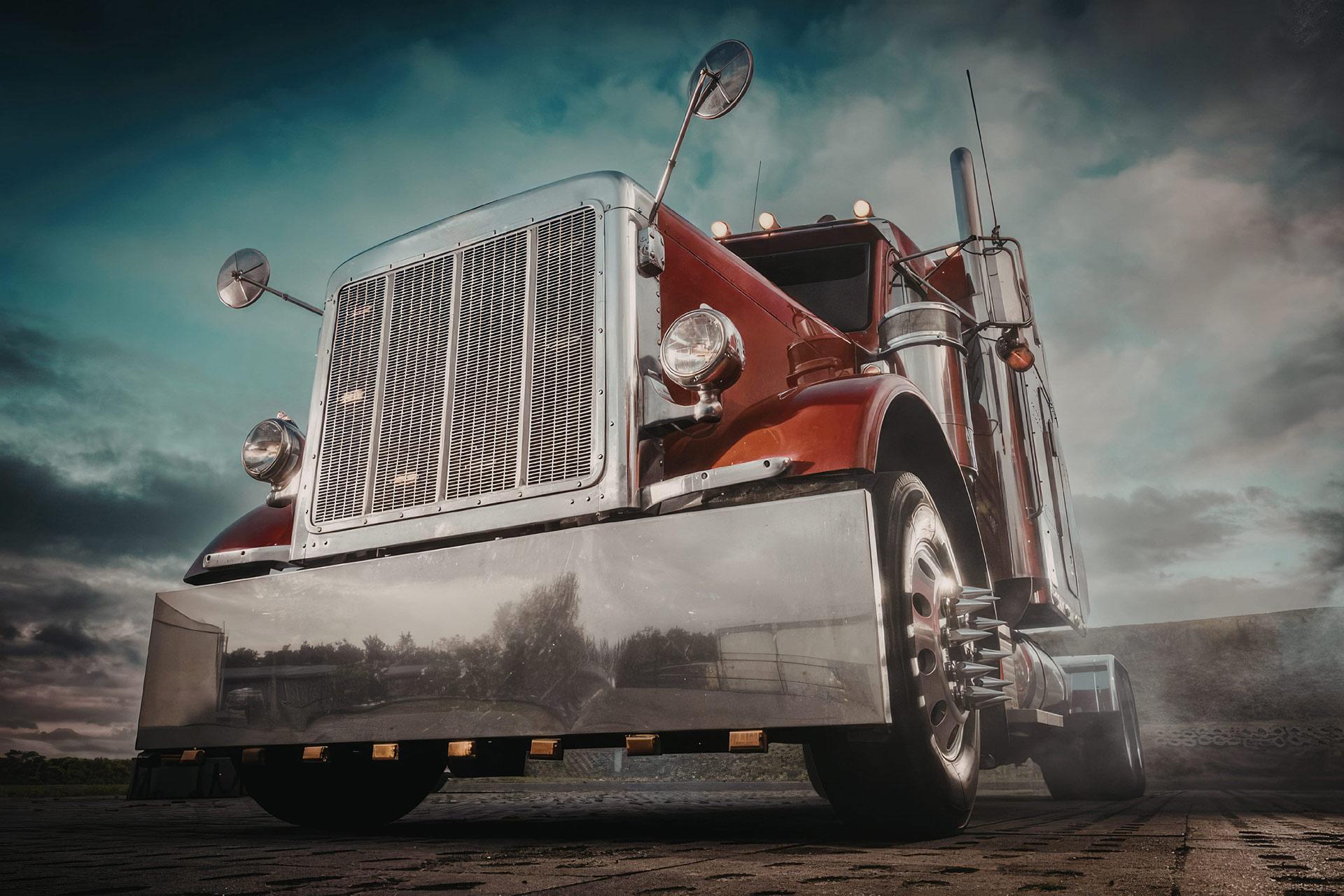
Buying used semi-trucks calls for careful consideration of your budget, freight type, routes, and daily operating demands. Long-haul dry freight, heavy hauling, regional routes, and local deliveries each call for different truck specifications and cab configurations. A maneuverable day cab may support frequent local stops, while a sleeper cab provides added space and comfort amid extended trips across state lines. Explore how freight requirements, routes, and operating conditions can help you choose the right used semi-truck for your business.
Start with Your Freight and Routes
Before comparing trucks, define your typical workload. Consider the weight and dimensions of your cargo, trailer type, average trip length, delivery frequency, and terrain/operating environment. A truck used mostly on flat interstates may have different needs than one regularly climbing mountain passes. A tractor that makes several deliveries a day needs different capabilities than one traveling thousands of miles between destinations.
Your freight contracts should guide your buying process. Think about what your heaviest loads typically weigh, rather than buying a rig based only on your average load weight. Also consider whether your routes have steep grades, tight urban streets, rough roads, or frequent stops.
Match the Truck to the Freight Type
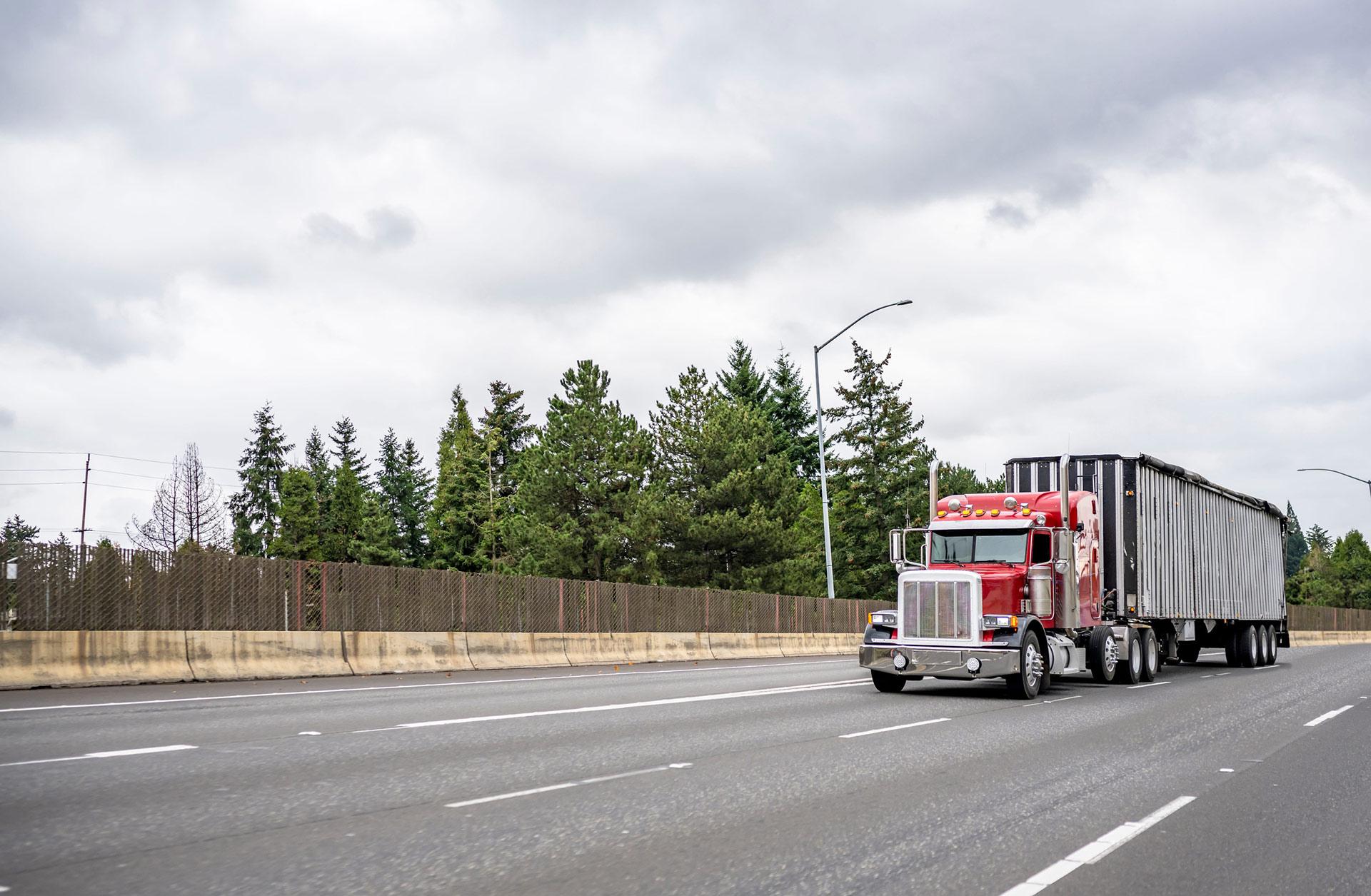
Different freight types can place different demands on a semi. Dry van freight is often associated with general goods and long-distance treks. Fuel economy, highway performance, driver comfort, and a good sleeper cab matter for these operations. If loads are consistently heavy, pay extra attention to engine torque and axle gearing.
Refrigerated freight adds another consideration when you’re buying a semi because the reefer trailer needs its own equipment and energy. A tractor used for temperature-controlled freight still needs to have the right pulling power for the combined truck and trailer weight. Your routes, payloads, and how often you load and unload should also impact the configuration you choose.
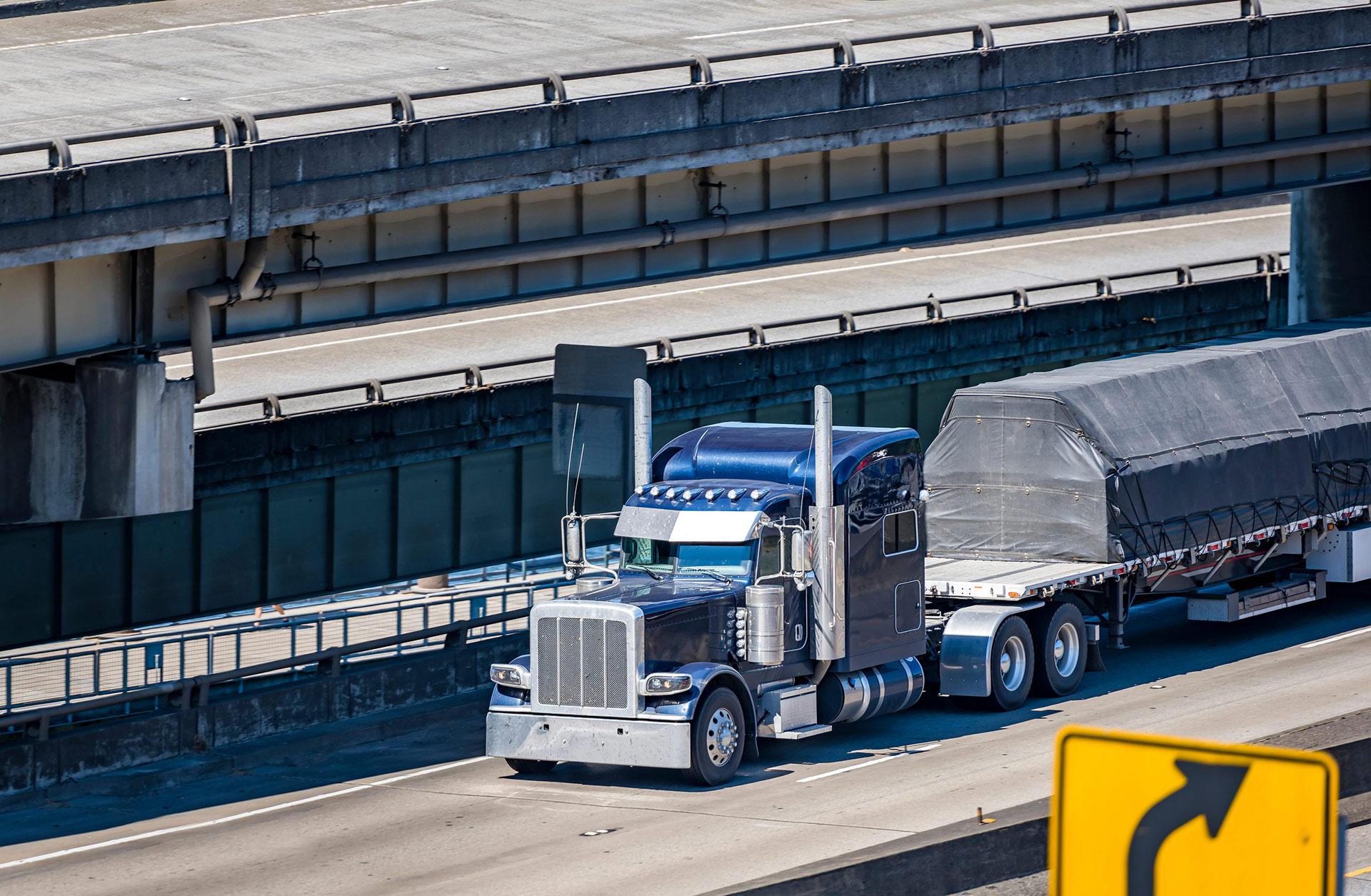
Flatbed cargo often includes construction materials, machinery, steel, lumber, and other freight that is frequently very heavy, oversized, or difficult to handle. Depending on the loads and the routes, you may want to pay extra attention to torque, axle configuration, the truck’s frame characteristics, and appropriate fifth-wheel position.
Similarly, if you’re doing any heavy hauling, pay careful attention to the complete combination of tractor, trailer, and cargo. Higher-weight loads can place incredible demands on the powertrain, axles, brakes, cooling system, and even the tires. Evaluate the rig you’re considering against the actual weights and dimensions of the loads you plan to transport, rather than assuming a high-horsepower engine automatically makes the truck suitable for heavy hauling.
Incidentally, local and regional driving frequently involves more stops, turns, loading areas, and urban driving. Maneuverability becomes a much more important factor than it does on long hauls. The truck’s age and previous use also deserve extra scrutiny when buying used, because this stop-and-go driving can create more wear and tear than highway miles.
Key Semi-Truck Specifications to Consider
The specifications that matter most will depend heavily on your freight and routes, but generally speaking, here’s what you should be looking at most closely when matching a used semi to your freight type:
Horsepower and torque: Horsepower shapes overall performance, while torque plays a major role in moving heavy loads and climbing steep grades. More power isn’t always better, though. An engine configured for demanding terrain can give you great performance, but if it’s substantially more power than you need, it can cause you to spend more on both the upfront cost and on fuel.
Transmission: Manual, automated manual, and automatic transmissions each have different characteristics. An automated transmission makes operation simpler and works well for many different applications, but other operations and driver preferences might favor a manual transmission. Consider the routes, drivers, terrain, and maintenance needs associated with different transmission types.
Axle: The rear axle ratio affects the balance between pulling power and engine speed when driving on the highway. A configuration designed for heavy pulling might differ from one that’s built for efficient highway driving. The right choice is based on your load and route.
GVWR and weight ratings: Gross vehicle weight ratings set the truck's limits. Consider these numbers along with axle and trailer ratings, cargo weight, and legal limits.
Wheelbase: The wheelbase impacts maneuverability and stability. A shorter wheelbase can be useful in tight delivery situations, while a longer configuration can offer advantages for certain highway and sleeper setups.
Fuel capacity: Larger fuel tanks reduce the frequency of fuel stops on long routes. Still, the extra capacity also adds weight to the truck, and it’s probably unnecessary for regional driving. Look at your route length and fueling opportunities to decide how much a larger fuel tank matters for you.
Fifth-wheel configuration: Fifth-wheel placement and configuration affect your trailer connection, weight distribution, maneuverability, and the overall tractor-trailer combo. Make sure the fifth-wheel setup fits the trailers and cargo you typically haul.
Choose the Truck that Fits Your Business
The right used semi-truck is ultimately the one that fits your business’s needs, your freight contracts, routes, drivers, budget, and long-term goals. No single engine size, axle ratio, cab style, or truck model fits everyone best. When you’re evaluating used trucks, try to look beyond the sticker price. Consider expected fuel consumption, maintenance needs, cab comfort, insurance, financing, and how well it fits the work you do. Buying a truck that’s cheap but doesn’t match your freight can cost you more over the long run than one that’s a little more expensive, but ideal for your business needs.
At Arrow Truck Sales, we carry a nationwide inventory of quality used semi-trucks and offer the support, guidance, and used semi-truck buying guideyou need to make an informed decision. For help finding the right semi-truck to fit your business, contact Arrow Truck Sales today, or stop by the Arrow dealership nearest you.