Choosing the Right Semi-Truck to Support Your Business Goal
August 3rd, 2026
By Arrow Truck Marketing
For trucking businesses, semi-trucks represent a significant investment. Owner-operators buying their first truck and fleet managers adding capacity both need to look beyond brand, purchase price, and mileage. The right semi-truck depends on the work it needs to handle every day, including freight type, route distance, terrain, fuel efficiency needs, driver comfort, and long-term maintenance expectations. By defining your business goals before you shop, you can compare trucks based on the specs and support that matter most to your operation. This semi-truck buying guide covers practical tips for choosing a truck that fits your routes, budget, and growth plans.
Start with Your Business Goals
Before you even begin comparing makes and models, you need to define exactly what you want your truck to do for you. Different business goals need different kinds of equipment. Someone starting as an owner-operator might prioritize reliability, affordability, durability, and versatility so they can handle a variety of freight opportunities as they get their business off the ground. A fleet manager expanding their operations might focus on standardizing equipment across the fleet, reducing maintenance costs, increasing their numbers, or improving their drivers’ comfort. Or, if you’re looking to replace an older rig, you might be focused on finding something with greater fuel efficiency and lower maintenance requirements.
Here are some goals you should consider to decide if they apply to your business:
Starting a business as an owner-operator
Lowering operating costs
Growing your fleet
Improving fuel efficiency
Expanding your delivery capacity
Preparing for long-haul routes
Replacing outdated equipment with more reliable rigs
When you know what your main objectives are, it becomes a lot easier to eliminate the trucks that don’t fit your needs.
Match the Truck to Your Routes
One of the biggest factors impacting the truck you choose is the types of routes you expect to run with it. Regional operations usually involve shorter trips, more frequent stops, stop and go traffic, and daily returns to a terminal. These kinds of routes often benefit from lighter trucks that are more efficient and easier to maneuver on local streets.
Long-haul trucking has a completely different set of requirements. Drivers spend extended periods of time on the road, making fuel capacity, driver comfort, storage space, and highway efficiency become much higher priorities. Understanding where your truck will operate helps you narrow your options considerably, so you can hone in on what best suits your business goals.
Think about the Freight You’ll Haul
Every load can put different demands on your rig. Heavy freight often needs a truck with a larger engine, stronger drivetrain, and an axle configuration that’s built for higher gross vehicle weights. Lighter freight, however, might allow you to prioritize fuel efficiency instead of maximum horsepower. Some specialized freight can also impact truck specifications. Refrigerated trailers, flatbeds, tankers, and oversized loads all have unique needs that affect engine performance, axle ratios, suspension systems, and fuel usage.
Choosing more capability than you actually need for your freight can increase your costs, while selecting too little capability can limit the loads you can haul and cause your engine to wear out more quickly. If you’re unsure what kinds of freight you’ll be hauling, look for something that will be more versatile, so you can accept more jobs as you get started.
Fuel Economy to Support Profitability
Fuel is one of the largest operating expenses for every trucking business. While newer trucks often have technology to improve fuel efficiency, there are also specifications you can look at to find a rig that has better fuel economy. Engine size, transmission selection, axle ratio, aerodynamics, tire choice, and overall vehicle weight all play a role in this.
When your routes cover hundreds of thousands of miles, even small improvements in fuel economy can generate significant savings over the lifespan of your truck. Instead of focusing only on the purchase price, estimate how much you’ll spend on fuel over several years. A truck with a slightly higher initial cost might provide a lower total operating expense because of its better fuel efficiency, providing you with greater long-term profitability.
Day Cab vs Sleeper
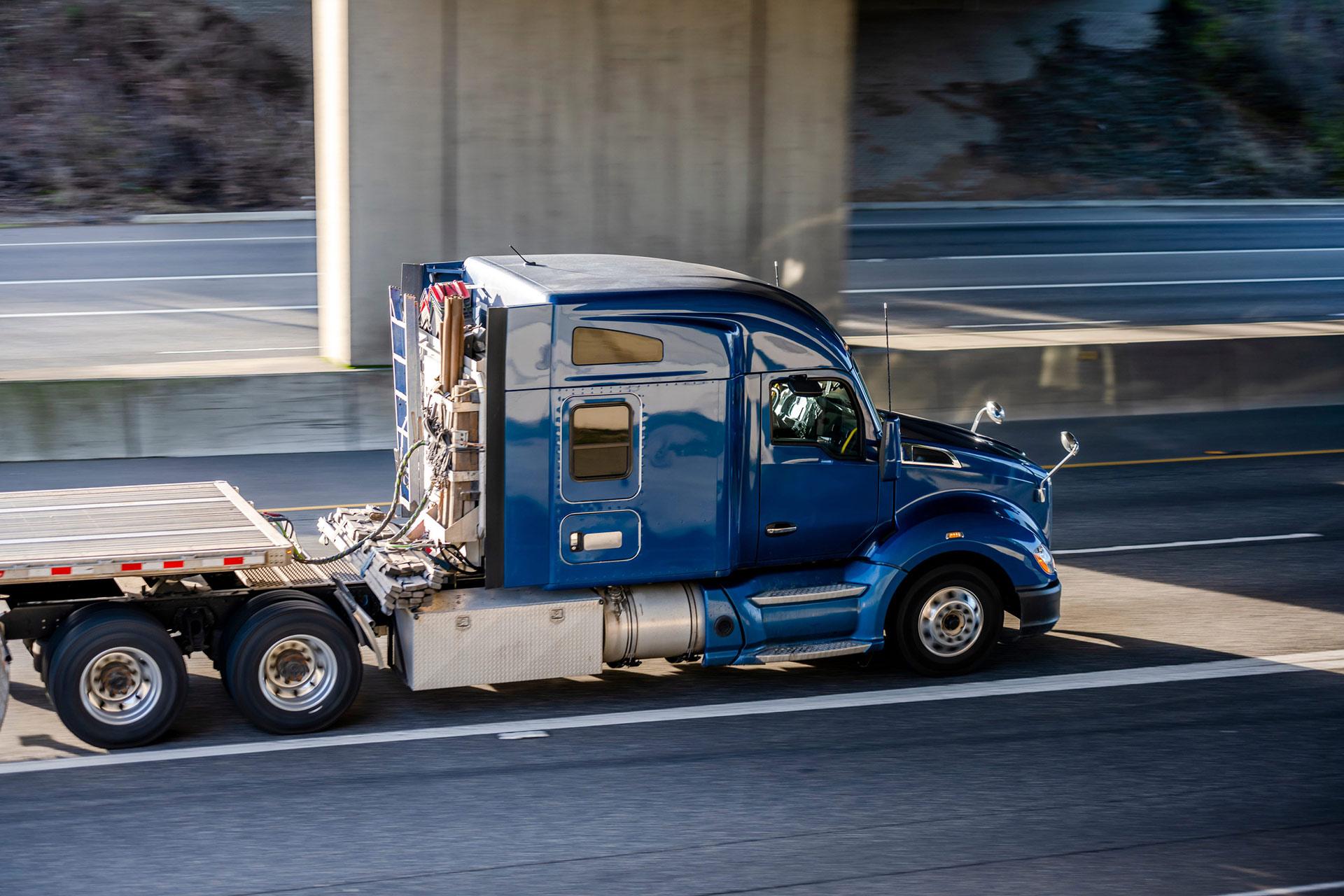
Choosing the right cab setup depends entirely on how the truck is going to be used. Day cabs work well for local and regional routes, where drivers return home at the end of every shift. They generally weigh less, cost less to purchase, and need less maintenance because they have fewer interior components.
Sleeper trucks offer sleeping accommodations, additional storage, and improved comfort for long-haul drivers who spend multiple nights out on the road. Although they do have a higher price tag, they also provide the essentials for extended routes and can keep your drivers comfortable on long trips. Matching the cab setup to your operation helps you avoid paying for things you won’t use while ensuring drivers have what they need to stay productive.
Choose the Right Powertrain
The engine and transmission are the heart of any semi-truck. Engine size should reflect the loads, terrain, and driving conditions that you’ll be dealing with most often. Trucks operating in mountainous regions or hauling heavy freight usually benefit from more horsepower and higher torque. Lighter regional operations might be more efficient with small engines that still offer enough power to get the job done.
Transmission choice should also be carefully considered. Manual transmissions continue to appeal to some experienced drivers because they offer more control in certain conditions. Automated manual transmissions are popular because they’re easy to operate, fuel efficient, and can help reduce driver fatigue. Fleet owners also like the consistency they offer across multiple drivers.
Axle ratio impacts your acceleration, climbing ability, and highway fuel economy. Lower axle ratios usually improve highway efficiency, but higher ratios can better support heavy hauling and frequent stop-and-go driving. So, in short, choose your axle ratio with care.
Find the Right Truck for Your Goals
Whatever your business goals are, Arrow Truck Sales can help you find a rig that will help you reach them. We carry a wide range of high-quality used semi-trucks that have been carefully inspected and are ready for the road. We also offer used semi-truck financing, making it easier for first-time buyers and fleet owners alike to afford the kind of rig they need to achieve their business goals. Contact Arrow Truck Sales today, or stop by one of our locations.