How to Pass a DOT Inspection with a Used Semi-Truck
February 3rd, 2026
By Arrow Truck Marketing

Passing a DOT inspection is a requirement for every commercial vehicle on American roads, whether it’s a brand-new rig or a used semi-truck that’s been on the road for years. DOT inspections aren’t there to catch you off guard or trick you into failing. They’re meant to ensure that both you and your rig meet federal safety standards before you hit the road. However, used semis can present unique challenges in passing DOT regulations. Wear and tear over time can make older systems more prone to failure, while rust, outdated components, or missed maintenance can cause failure. The good news is that with the right preparation and knowledge, and a reliable used rig from a reputable dealer, you can ensure your used semi is up to standard and passes DOT inspections with no trouble.
Why DOT Inspections Matter
While a DOT inspection can feel like red tape, it is a key safety check designed to protect you, your business, and everyone else sharing the road. Failing an inspection can lead to costly fines, repair bills, and even being placed “out of service,” meaning that your truck can’t legally haul until the problems are fixed.
For used trucks, this risk is higher simply because of age alone. Older equipment naturally accumulates issues that can sometimes go unnoticed before the inspection. However, with the right preparation, thorough maintenance, and rigorous documentation, even a rig with hundreds of thousands of miles can pass a DOT inspection without drama.
Understanding What Inspectors Are Looking For
Before you can start preparing your semi for the inspection, you need to know what inspectors are looking for. There are different levels of inspection, but most roadside checks will focus on three main areas:
Driver documentation and compliance: This is about your ability to handle the road, not your truck’s. They’ll verify your licensing, hours of service records, and medical qualifications.
Vehicle mechanical and safety systems: This is where your rig’s condition matters most. They’ll check everything from brakes and tires to lights and suspension.
Cargo securement and safety equipment: This is when they’ll check the cargo area of your rig, including proper tie-downs, reflective devices, and emergency gear.
Understanding the basics of a DOT inspection can help you focus on where you need to do the most preparation, rather than blindly guessing.
Keep Documents Organized and Current
It’s easy to overlook the paperwork when you’re focusing on getting your semi into shape. But outdated or missing documents are one of the most common reasons drivers fail inspections, even when their truck is mechanically sound. Here are some documents you should make sure you have on hand for your inspection:
Valid commercial driver’s license
Medical Examiner’s Certificate (also called a DOT medical card)
Hours of service (HOS) logs or ELD records
Vehicle registration and proof of insurance
Annual DOT inspection report or decal
Hazardous material permits and shipping papers, if required
Keep these in a labeled binder in your truck cab or in a digital folder that’s easily accessible. Inspectors want to be able to quickly see these documents, and being organized will speed up the inspection process.
Performing Pre-Trip Inspections
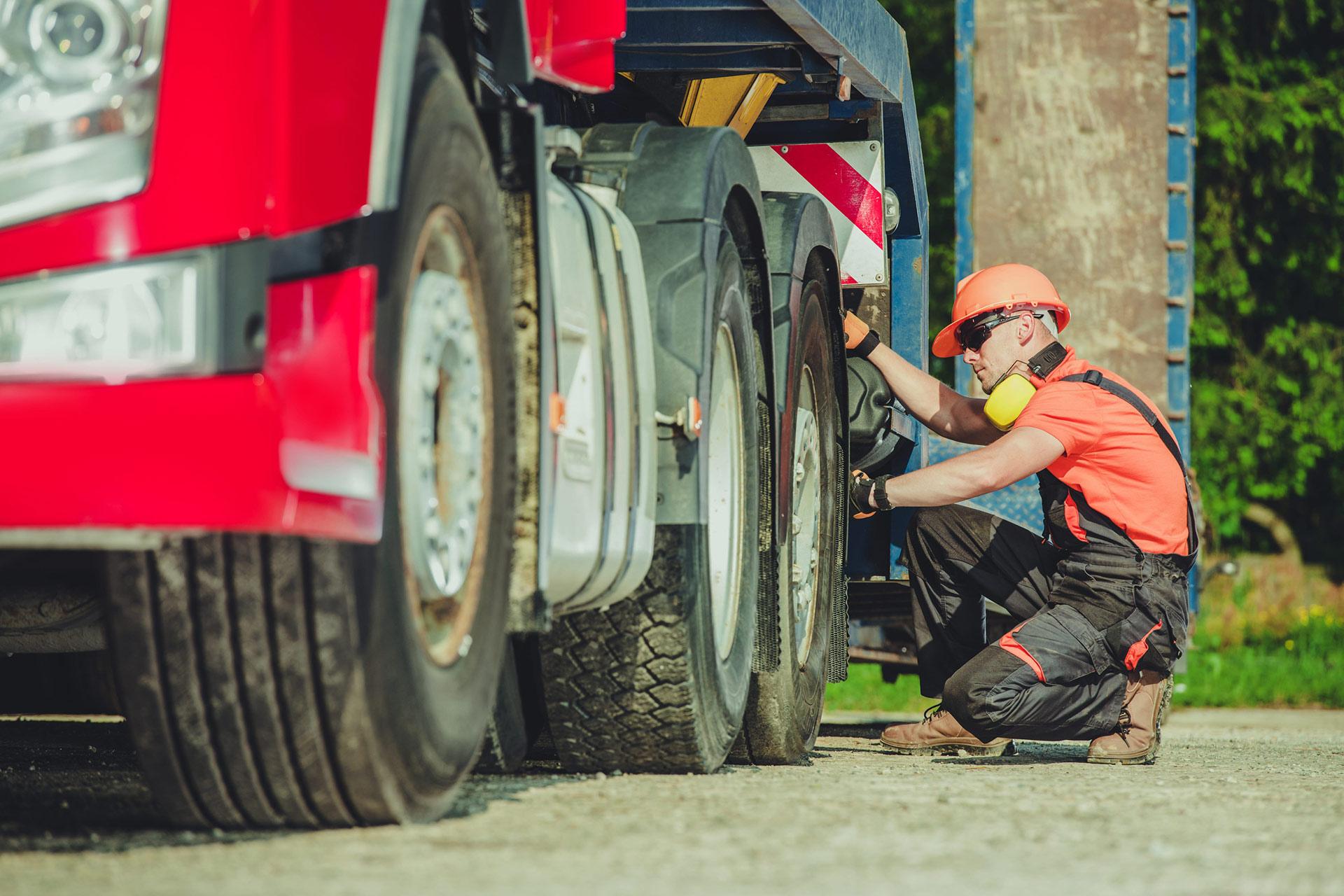
One of the most effective ways to ensure your used semi will pass a DOT inspection is to perform a pre-trip inspection of your own every time you’re heading out on the road. These quick checks can help catch small problems before they become DOT violations. Here are some important things to look at during your pre-trip checks:
Brakes and air system: Check for leaks, proper air build-up, and secure adjusters.
Tires and wheels: Ensure that your tires have a minimum tread depth of 4/32” on your steer tires and 2/32” on drive and trailer tires. Also check for correct inflation, and no bulges or exposed cords.
Lights and reflectors: Check that your headlights, taillights, brake lights, turn signals, and markers are all in working order.
Windshield and wipers: Ensure there are no cracks in your windshield that impair your vision, and that you have washer fluid and functional wipers.
Safety equipment: Double-check that you have a fire extinguisher, reflective warning triangles, a first aid kit, and spare fuses available.
Because a used semi is more likely to have older components, take your time with these checks rather than rushing through them to get on the road.
Common Causes of Failure in Used Trucks
Certain systems on used semis are statistically more likely to lead to a failed inspection, so make sure to give them extra attention. This includes your brakes and air systems, tires, wheels, suspension, lights, reflectors, and other electrical components.
Give these areas extra time during your pre-trip checks and always err on the side of caution when meeting minimum standards. If your brake linings are barely above the minimum thickness, for example, get those replaced as soon as possible.
Getting a Reliable Rig to Begin With
One of the best ways to ensure your used semi meets DOT standards is to get one that’s reliable to begin with. At Arrow Truck Sales, we have strict standards for all of the trucks on our lot. They’re not added to our inventory until they pass a federal DOT inspection conducted by a third party, have proof of passing stationary regeneration, and have brakes and tires that meet or exceed DOT minimums. We also perform all repairs of body damage that exceed $500, helping ensure that you won’t be slapped with a costly repair on your first haul.
If you’re looking for a rig that can meet DOT standards at a moment’s notice, contact Arrow Truck Sales today or stop by to see our inventory of DOT compliant Arrow trucks. Just because you drive a used semi-truck doesn’t mean you need to fail a DOT inspection. We’ll help you find a rig that you can rely on for many miles and years to come. Contact us and speak with a member to find the right rig for your hauling needs.