How the Right Semi-Truck Can Lower Your Operating Costs
June 3rd, 2026
By Arrow Truck Marketing
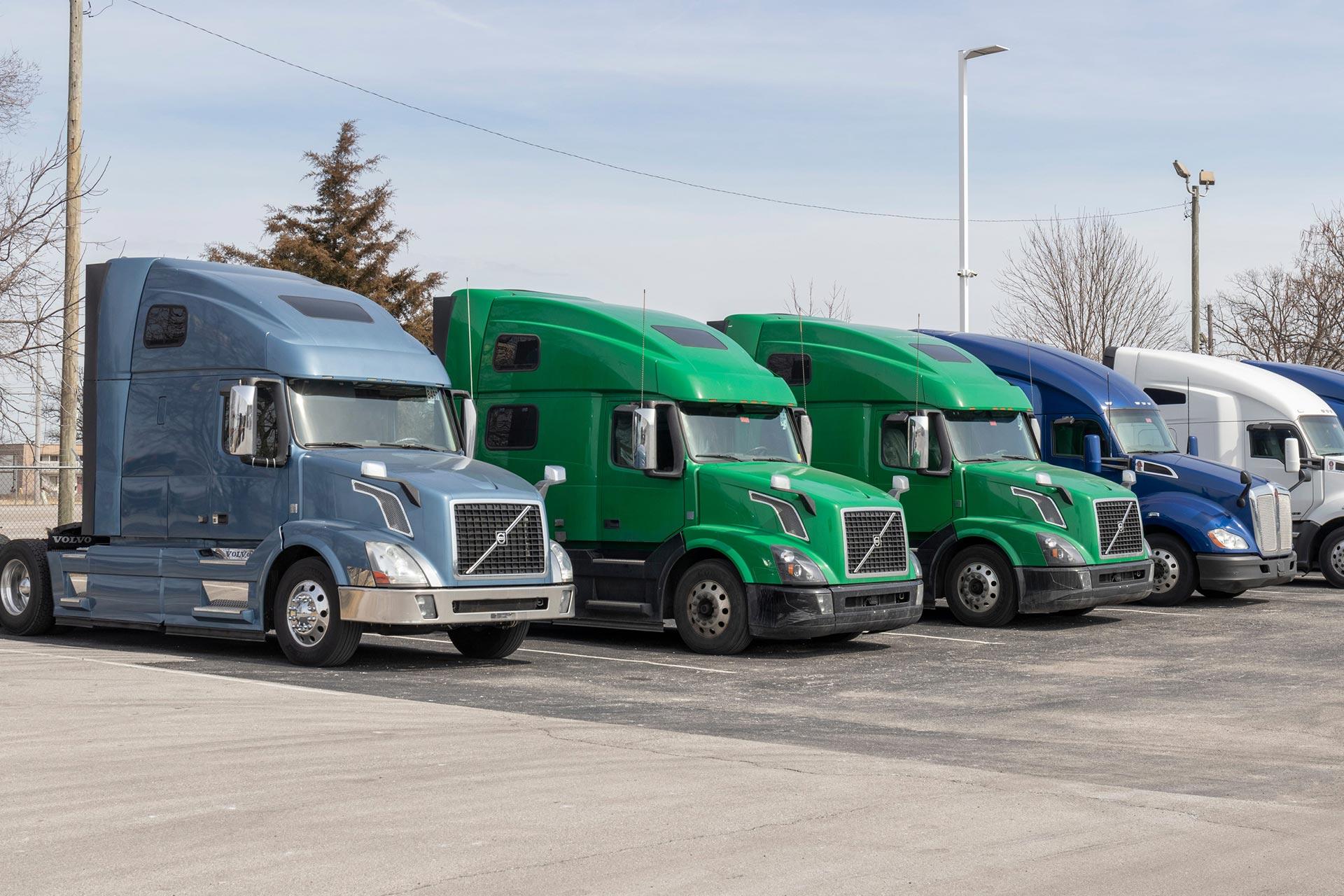
The profitability of your commercial trucking company depends on more than finding loads and keeping trucks moving. Long-term success comes down to controlling your operating costs. Fuel, repairs, downtime, tires, and insurance all affect cost per mile, and the truck you choose plays a major role in every one of those expenses. The right used semi-truck can lower operating expenses for years while improving reliability, driver satisfaction, more consistent drive times, and overall profitability. A strong understanding of how aerodynamics impact semi-truck fuel economycan help you make smarter equipment decisions, along with other factors that influence long-term operating costs and profitability.
Why Total Cost of Ownership Matters
When comparing used semi-trucks, it’s important to look beyond the sticker price. The cost you really need to look at is the total cost of ownership (TCO). TCO includes all of the following long-term costs:
Fuel expenses
Maintenance and repairs
Downtime costs
Tire replacement
Insurance costs
Financing expenses
Depreciation and resale value
Two trucks with the same sticker price can have very different long-term costs. A truck with better fuel economy and fewer repair issues can save you tens of thousands of dollars over its lifespan. Spending slightly more on a well-maintained used truck with efficient specs can reduce your monthly operating costs enough to offset the higher purchase price. Your goal shouldn’t be to simply buy the cheapest truck available. The goal should be to buy the truck that delivers the lowest cost per mile over time.
Fuel Costs: The Biggest Operating Expense
Fuel is usually the single largest operating expense in trucking. Even small improvements in fuel efficiency can create big savings over the course of a year. The specs of a semi-truck directly affect how much fuel it burns, so let’s look at each of them individually:
Aerodynamics: Newer used trucks often include aerodynamic improvements that reduce wind resistance. Features like roof fairings, side skirts, bumper designs, and airflow management systems can improve fuel efficiency, especially on long highway routes. For long-haul drivers, aerodynamic trucks can create noticeable savings over hundreds of thousands of miles.
Engine Efficiency: Not all engines deliver the same fuel efficiency. Engine design, horsepower ratings, emissions systems, and tuning all influence fuel usage. You should avoid choosing more horsepower than your operation actually needs. An oversized engine will burn more fuel without providing meaningful advantages for lighter freight or regional routes. Matching the engine to the workload is one of the simplest ways to improve efficiency.
Transmission Type: Automated manual transmissions have become more and more popular because they help optimize shifting and improve fuel efficiency. Many newer used trucks with automatic transmissions deliver more consistent fuel efficiency than those with manual transmissions. That consistency can help you reduce unnecessary fuel waste.
Axle Ratios: Axle ratios determine how hard the engine works at highway speeds. Trucks configured for heavy hauling may use lower gearing for pulling power, while long-haul highway trucks often use taller gearing for fuel efficiency. Choosing the wrong axle ratio for your operation can increase fuel costs significantly.
Idle Management: Idle time burns fuel while adding unnecessary wear and tear on the engine. Many newer semi-trucks include idle management systems or auxiliary power units that cut down on fuel consumption during rest periods. For drivers spending nights in the cab, these systems can add up to meaningful savings over time.
Why Maintenance Records Matter
A well-documented maintenance history tells you how a truck was cared for over its lifetime. Consistent oil changes, scheduled maintenance, part replacements, and repair documentation all give you valuable insight into the truck’s condition. A well-maintained used truck is often a better long-term investment than a lower-priced truck with incomplete records or visible neglect. Without maintenance records, you may end up inheriting expensive problems that weren’t visible during the inspection.
Tire Costs Add Up Faster Than You Think
Tires are a major operating expense that many first-time buyers underestimate. There’s not much you can do when you need new tires besides buying them, but did you know that the truck itself can impact how quickly the tires wear out? Here are some factors that will impact how long your tires last:
Weight: Heavier trucks place more stress on tires, suspension systems, and brakes. Lightweight components can help reduce resistance and extend tire life.
Alignment and Suspension: Poor alignment or worn suspension components can destroy tires quickly. A truck with neglected suspension maintenance can cause ongoing tire replacement costs.
Tire Selection: Low-resistance tires can improve fuel efficiency while reducing long-term operating costs. However, it’s important that you’re prioritizing getting the right kind of tires for your route and loads.
Truck Choice Impacts Insurance Costs
Insurance premiums can vary depending on several factors relating to your truck. Here are a few examples of them:
Truck age
Safety features
Truck value
Driving routes
Maintenance history
Driver history
Newer used trucks equipped with modern safety systems can help lower insurance costs. Features such as collision avoidance systems, lane departure warnings, and stability control can reduce accident risk. Trucks with detailed maintenance histories can also look less risky to insurers than rigs with a sparse maintenance history.
Matching the Truck to the Job
One of the most common mistakes buyers make is purchasing a truck that doesn’t fit their operation. A truck designed for heavy hauling is unnecessarily expensive if you haul lighter freight. A lightweight truck can wear out faster if it’s regularly overloaded or pushed hard on demanding long-haul routes. The right truck depends on factors like freight type, route terrain, average load weight, distance traveled, and more.
For example, a long-haul highway route may benefit most from aerodynamic designs and fuel-efficient features, while more localized driving may focus more on durability and power. Matching truck specs to actual operating conditions reduces unnecessary strain on the equipment and improves overall efficiency.
Depreciation and Resale Value Still Matter
Depreciation affects every semi-truck, but some trucks hold their value better than others. Reliable brands with strong maintenance histories and popular specifications tend to have stronger resale demand. Fuel-efficient trucks with documented service records are easier to sell and may be able to fetch stronger prices on the used market. Protecting resale value starts with proper maintenance, careful operation, and choosing a truck with long-term market demand.
Choosing the Right Used Semi-Truck
The right used semi-truck does more than move freight. It helps control fuel costs, reduce downtime, improve reliability, and protect long-term profitability. If you’re looking to reduce operating costs and improve long-term value, working with an experienced dealership can make the process easier. At Arrow Truck Sales, we offer a wide selection of used semi-trucks and can help you find a rig that aligns with your routes, freight needs, and operating budget. Explore current inventory options and reference our helpful semi-truck depreciation guide for a clearer view of what helps a rig hold its value over time.